
Smart Watch Heart Rate Monitoring 101
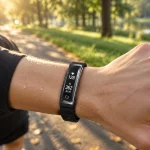
Ever glanced down at your smart watch with heart rate monitor mid-workout, and wondered how it tracks your pulse so accurately—even when you’re running, jumping, or sweating? You’re not alone.
At Worldwell, we build a full line of clinical-grade health monitoring wearables designed to deliver reliable vitals data, no matter what you’re doing.
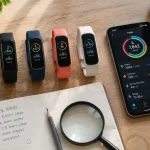
For years, heart monitor watches have been the go-to tool for users who want to track their wellness without bulky medical devices. These wearables pack tiny, advanced sensors that track your heart rate 24/7, so you can stay on top of your fitness, stress, and overall health.
The Science Behind Accurate Heart Rate Tracking
Most modern smart watches use a technology called Photoplethysmography, or PPG, to track your heart rate. It sounds complex, but it’s actually pretty intuitive:
The tiny sensor array on the back of your watch emits soft green light into the skin of your wrist. Blood naturally absorbs this green light, so the sensor measures how much light bounces back to it.
When your heart beats, your blood vessels expand, absorbing more of the light. Between beats, they contract, so less light is absorbed. The sensor picks up these tiny, rapid changes—hundreds of times per second—to calculate your heart rate in real time.
According to a NCBI study on wearable PPG monitoring , properly calibrated PPG sensors can hit up to 99% accuracy for heart rate tracking, matching the performance of many clinical-grade monitors.
What Impacts Your Smart Watch’s Heart Rate Accuracy?
While PPG technology is incredibly reliable, there are a few common factors that can throw off your readings. Understanding these can help you get the most consistent data from your accurate heart rate monitor:
| Factor | How It Impacts Readings | How to Fix It |
| Loose Watch Fit | Light leaks into the sensor gap, messing with light absorption readings | Tighten the band so it stays snug against your skin, no sliding during movement |
| Motion During Workouts | Arm movement shifts the sensor, creating random noise that confuses the algorithm | Choose a watch with multi-channel sensors and AI noise cancellation |
| Skin Tone/Tattoos | Darker skin or ink can absorb more green light, interfering with the sensor’s readings | Opt for a watch with infrared sensors alongside standard green PPG |
| Dry Skin | Dry skin reduces the sensor’s ability to pick up subtle blood flow changes | Moisturize your wrist before wearing your watch, or shift it slightly higher on your arm |
This is why premium smart watches invest so much in advanced sensors and algorithms: they’re built to cut through these common interruptions, to deliver accurate data no matter what you’re doing.
How to Use Your Heart Rate Monitor: A Step-by-Step Guide
Once you have your smart watch, you might be wondering how to get the most from your heart rate data. Here’s a simple, user-friendly guide:
How Do I Check My Heart Rate?
If you’re asking how do i check my heart rate on your smart watch, it’s simpler than you think. Most watches let you pull up your real-time heart rate right from the home screen, just by tapping the heart icon. You can also open your smart watch’s built-in health app to see your resting heart rate, or your full workout heart rate history.
How to Read Heart Rate Data
Learning how to read heart rate data is key to understanding your wellness. Here’s the standard breakdown for adults, to help you make sense of your numbers:
| Heart Rate Zone | BPM Range | What It Means For You |
| Resting Heart Rate | 60-100 BPM | Your heart rate when fully relaxed; lower numbers usually signal better cardiovascular fitness |
| Fat Burn Zone | 60-70% of your max heart rate | Low-intensity activity, perfect for daily walks, recovery days, or gentle yoga |
| Cardio Zone | 70-85% of your max heart rate | Medium-intensity exercise, ideal for improving your overall cardio fitness over time |
| Peak Zone | 85-100% of your max heart rate | High-intensity training, for short bursts of effort like sprinting or HIIT workouts |
How to Track Heart Rate Over Time
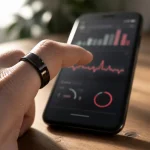
Learning how to track heart rate over time can help you spot long-term wellness trends you might miss otherwise. Most smart watches sync automatically with your phone’s health app, so you can see weeks or months of data in one place.
For example, you can track how your resting heart rate drops as you get fitter, or how stress or lack of sleep pushes your heart rate higher during busy work weeks.
Choosing the Right Heart Rate Watch For Your Needs
Not all heart rate watches are built the same. The right accurate heart rate watch depends on what you need it for, and what features matter most to you:
| User Type | Key Features to Prioritize |
| Daily Wellness Users | Basic 24/7 heart rate tracking, 7+ day battery life, lightweight comfortable fit |
| Fitness Enthusiasts | Heart rate monitor for exercise, multi-channel PPG sensors, motion noise cancellation, workout zone alerts |
| Advanced Wellness Users | Smart watch with blood pressure and heart rate monitor, ECG support, long-term health tracking, abnormal vitals alerts |
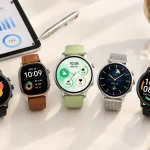
At Worldwell, we offer a full range of smart watches to fit every need, from basic fitness trackers to premium models with full vitals tracking, all with 99% accurate heart rate monitoring. We also offer custom OEM/ODM services to build tailored wearables for brands, with custom sensors and features to fit your target market.
Final Thoughts
Understanding how your smart watch with heart rate monitor works can help you get the most from your device, whether you’re tracking workouts, managing your daily wellness, or just staying on top of your health. With the right watch, you can get reliable, accurate heart rate data right on your wrist, no bulky medical devices required.
Want More Expert Insights?
Learn more about our health wearables, or reach out to our team to ask technical questions.