
What Exactly Are Fitness Trackers & Smart Watches?
To start, let’s break down exactly what these two wearables are—this is where nearly all the common industry confusion stems from.
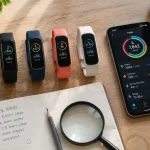
At their core, fitness trackers are slim, lightweight wrist-worn wearables engineered first for health and activity monitoring. Think of them as dedicated wellness tools: they track steps, heart rate, sleep stages, and workout metrics, with industry-leading battery life and minimal daily distraction.
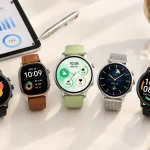
By contrast, smart watches are all-in-one wrist-worn computing devices. They include all the core health tracking sensors found in fitness trackers, but add full smart functionality: third-party app support, native call/text connectivity, high-resolution touchscreens, and more.
That’s exactly why so many shoppers get stuck choosing between a fitness tracker smart watch—the two categories share nearly identical core health sensors, so they sound interchangeable at first glance, but they’re engineered for entirely different use cases and daily needs.
Here at Worldwell, we engineer a full line of clinical-grade health monitoring wearables built for every lifestyle, and we see this exact mix-up every single day: plenty of new shoppers even ask us if a smartwatch fitness tracker is just a rebranded fitness tracker!
It’s no surprise, either: according to IDC, the global wearable tech market blew past $110 billion in 2025, with both categories seeing double-digit growth as more consumers prioritize proactive daily wellness.
Core Differences: Fitness Tracker vs Smart Watch
To understand the gap between these two devices, let’s break down their core design goals.
Fitness Trackers: Focused on Wellness
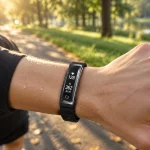
It‘s a slim, lightweight band built first for health and activity tracking. It’s designed to be worn 24/7, with long battery life and minimal distraction
Most fitness trackers have small, basic screens, just enough to show your step count, heart rate, or notifications. They don’t run full apps, but they pack all the core sensors you need for health tracking.
Smart Watches: All-in-One Smart Devices
A smart watch is a mini computer for your wrist. It has a large, full touchscreen, runs third-party apps, lets you take calls, send messages, and even pay for things with NFC.
It also has all the same health tracking sensors as a fitness tracker, but it adds all the smart features you’d expect from a phone, right on your wrist.
This is why so many users ask: should I get a fitness tracker or smartwatch? It all comes down to what features you actually need.
Full Feature Comparison Table
To make it easy, here’s a full breakdown of how these two devices compare across the most important features:
| Feature | Fitness Tracker | Smart Watch |
| Core Focus | Health & fitness tracking | Full smart device experience |
| Screen Size | Small, basic OLED | Large, high-res touchscreen |
| Battery Life | 7-14 days on one charge | 1-3 days on one charge |
| Notifications | Basic call/text alerts | Full app notifications, calls, voice assistant |
| Health Sensors | PPG, accelerometer, SpO2, temperature | All fitness tracker sensors + ECG, blood pressure, more |
| Apps | Limited built-in tracking | Full third-party app store |
| Price Range | $29-$99 | $99-$499 |
| Daily Comfort | Ultra-light, no bulk | Medium bulk, noticeable on wrist |
This table makes it clear: the biggest tradeoff is between battery life/comfort, and smart features/screen size.
Who Should Choose a Fitness Tracker?
If you’re asking yourself if a fitness tracker is right for you, here are the key signs it’s the perfect fit:
1. You Prioritize Long Battery Life
If you hate charging your devices every night, It‘s perfect. Most models last 7-14 days on a single charge, so you can go on a week-long trip without bringing a charger.
2. You Just Want Health & Activity Tracking
For users who just want a smart watch fitness activity tracker to log their workouts, track their sleep, and monitor their heart rate, a fitness tracker has all the features you need.
According to a NCBI study on wearable health monitoring , fitness trackers deliver nearly the same health tracking accuracy as smart watches, because they use the same core PPG sensors.
3. You Want Something Discreet & Comfortable
Fitness trackers are ultra-light, so you barely notice you’re wearing them. They’re perfect for wearing to bed, to the gym, or even to work, without looking like you’re wearing a big tech device.
4. You’re On a Budget
Fitness trackers are much more affordable than smart watches. You can get a premium health tracking model for under $50, which is a fraction of the cost of a high-end smart watch.
Who Should Choose a Smart Watch?
On the other hand, if these points sound like you, a smart watch is the right choice:
1. You Want Smart Features On Your Wrist
If you want to take calls, send messages, check your email, or use apps like Spotify or WhatsApp without pulling out your phone, a smart watch is perfect.
2. You Need Advanced Medical Tracking
Premium smart watches offer advanced medical features that most fitness trackers don’t, like ECG monitoring, blood pressure tracking, and even fall detection. These are perfect for users who need more detailed health data.
3. You Want a Big Screen for Notifications
If you want to be able to read full messages, see your calendar, or even watch short videos right on your wrist, a smart watch’s large touchscreen is a must-have.
4. You Want Customization & Apps
Smart watches have full app stores, so you can download custom apps for everything from navigation to gaming. You can also swap out watch faces and bands to match your style.
This is why choosing between a smartwatch or fitness tracker is all about your priorities: if you want smart features, go for a watch; if you want long battery and comfort, go for a tracker.
Common Myths Debunked
We hear the same questions over and over from users, so let’s clear up the most common myths:
Myth 1: Smart watches are always better than fitness trackers
Fact: That’s only true if you need the smart features. For users who just want health tracking, fitness trackers are just as accurate, with way longer battery life.
Myth 2: Fitness trackers can’t track advanced health metrics
Fact: Modern premium fitness trackers have all the same core health sensors as smart watches: SpO2, HRV, body temperature, and sleep stage tracking. They just don’t have the big screen.
Myth 3: You can’t get notifications on fitness trackers
Fact: Most modern ones do support basic notifications: you can see call alerts, text messages, and app reminders right on the small screen. They just don’t let you reply to them directly.
Myth 4: Fitness trackers are only for athletes
Fact: They’re perfect for anyone who wants to track their daily wellness, from users who want to walk more steps, to users who want to monitor their sleep quality.
How Worldwell Builds Reliable Wearables
At Worldwell Technology, we design both fitness trackers and smart watches with real-user accuracy in mind, after 9 years of wearable engineering.
Our Fitness Trackers
Our premium fitness trackers deliver:
- 99% accurate heart rate tracking with multi-channel PPG sensors
- 14-day battery life, with fast charging
- Full health tracking: SpO2, HRV, sleep stage, body temperature
- 50m water resistance, so you can wear it swimming or showering
Our Smart Watches
Our smart watches offer:
- Full touchscreen experience with app support
- 7-day extended battery life (far longer than most premium smart watches)
- Advanced health tracking: ECG, blood pressure, fall detection
- NFC payment, voice assistant, and full notification support
All our devices are CE, FCC, RoHS certified, with a 0.3% defect rate, far lower than the industry average of 1.2%.
Whether you’re looking for a fitness tracker or a smart watch, we deliver reliable, research-backed performance. We also offer one-stop OEM/ODM service to build custom wearables for your brand.
Final Thoughts
Choosing between a fitness tracker smart watch doesn’t have to be hard. If you want long battery life, discreet comfort, and affordable health tracking, a fitness tracker is the perfect fit. If you want smart features, a big screen, and advanced medical tracking, a smart watch is the right choice.
Both devices are great tools to help you track your wellness, it just comes down to what features you actually use every day.
Want More Expert Insights?
Learn more about Worldwell’s full range of wearables:
✅ Get full product spec sheets for fitness trackers and smart watches
✅ Ask our engineering team technical questions
✅ Receive a custom quote for OEM/ODM projects
Contact us today to explore reliable, high-performance wearables.