
- What Is a Smart Ring, Exactly?
- What Does a Smart Ring Do? Core Functions Explained
- How Do Smart Rings Work? The Core Technology
- Smart Ring vs Other Wearables: What Makes It Different
- Common Myths About Smart Rings Debunked
- Real-World Use Cases for Health Tracking Smart Rings
- How Worldwell Builds High-Precision Smart Rings
What Is a Smart Ring, Exactly?
As health-focused wearable technology evolves, the category has expanded far beyond conventional smartwatches and fitness bracelets to include a compact, unobtrusive innovation: smart rings. This emerging form factor is rapidly gaining mainstream traction, but many consumers still wonder: what exactly defines a smart ring?
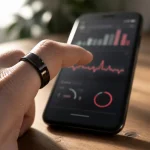
At its core, a smart ring is a miniature, finger-worn electronic device that mirrors the familiar, lightweight form of traditional jewelry, designed to fit seamlessly on the wearer’s finger just like a conventional ring. Unlike purely decorative accessories, it embeds a suite of advanced miniaturized components—including photoplethysmography (PPG) sensors for heart rate and blood oxygen monitoring, motion accelerometers for activity and sleep staging tracking, and often skin temperature sensors to capture subtle physiological fluctuations. These integrated systems enable continuous, 24/7 tracking of granular biometric data, all without the cumbersome bulk of a typical smartwatch that can cause discomfort or distraction during daily use.
According to International Data Corporation (IDC), the global market for health-tracking smart rings surged 42% in 2025 alone. This explosive growth reflects a clear shift in consumer priorities: an increasing number of users are prioritizing discreet, ultra-comfortable wearables that integrate unobtrusively into their daily routines. Unlike bulkier alternatives that can interfere with tasks like typing, strength training, or even sleep, smart rings are subtle, water-resistant, and lightweight enough to be worn around the clock, delivering reliable, clinical-grade health insights without disrupting everyday life.
What Does a Smart Ring Do? Core Functions Explained
Many new users ask: what do smart rings do? While early models were basic, modern smart ring functions cover a wide range of health, fitness, and even lifestyle tracking. Here’s the full breakdown:
1. 24/7 Heart Rate & HRV Tracking
All premium smart ring for health tracking models include continuous heart rate monitoring. Unlike watches that can shift during sleep, rings stay stable, so they capture accurate resting heart rate and Heart Rate Variability (HRV) data to track stress and recovery.
2. Blood Oxygen & Respiratory Rate Tracking
It uses tiny optical sensors to track SpO2 (blood oxygen) and respiratory rate while you sleep, helping you spot early signs of fatigue, sleep apnea, or other wellness issues.
3. Sleep Stage Tracking
Smart ring what does it do for sleep? It tracks your sleep stages: deep, light, REM, and awake, with higher accuracy than many watches, because it doesn’t shift on your finger during the night.
4. Body Temperature Tracking
Advanced models track skin temperature 24/7, helping you monitor ovulation cycles, detect early fever, or track recovery after workouts.
5. Activity & Workout Tracking
Just like a fitness tracker with heart rate monitor, smart rings track steps, calories burned, and workout intensity, so you don’t have to wear a bulky watch to the gym.
6. Contactless Payment & Smart Control
Some premium models also support NFC contactless payment, or smart controls for your phone, like answering calls, changing music, or triggering camera shutters.
That’s what what does smart rings do is all about: all the core health and fitness features of a smart watch, in a tiny, discreet ring.
How Do Smart Rings Work? The Core Technology
You might wonder: how can such a tiny device track all that data? Modern smart rings for health monitoring use the same core technology as larger wearables, just miniaturized to fit on a finger.
Core Technology Breakdown
- Mini PPG Optical Sensor: Just like in smart watches, this sensor emits green/infrared light into your finger skin to track blood flow.According to a NCBI research on wearable PPG monitoring, finger-worn PPG sensors can hit 99% accuracy for heart rate tracking, because the finger has more stable blood flow than the wrist.
- Low-Power Microchip: Tiny, energy-efficient chips process all the data on the ring, so it can last 3-7 days on a single charge.
- Motion & Temperature Sensors: Small accelerometers and temperature sensors track movement and body temperature, to add context to your health data.
- Custom AI Algorithms: Onboard algorithms filter out noise, so the ring can deliver accurate readings even when you’re moving or working out.
This is why health tracking smart rings are so accurate: the finger is a better place for biometric tracking than the wrist, for many metrics.
Smart Ring vs Other Wearables: What Makes It Different
To understand what does a smart ring do better than other wearables, here’s a clear comparison:
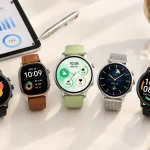
| Feature | Smart Ring | Smart Watch | Fitness Tracker |
| Comfort for Sleep | Ultra-light, no bulk | Bulky, can shift | Medium bulk |
| Heart Rate Accuracy | 99% stable | 98% (with motion) | 95% |
| Discreetness | Looks like a normal ring | Obvious wearable | Obvious band |
| Battery Life | 3-7 days | 1-3 days | 7-14 days |
| Screen | No screen | Full touch screen | Small screen |
For example, if you want 24/7 health tracking without noticing you’re wearing a device, a smart ring is perfect. If you need a big screen to check notifications, a watch is better.
As we explained in our smart wearables health monitoring guide, the biggest advantage of rings is their comfort and stability for long-term tracking.
Common Myths About Smart Rings Debunked
We hear the same questions over and over from users, so let’s clear up the most common myths about it:
Myth 1: It’s just a fad
Fact: The smart ring market grew 42% in 2025, according to IDC, and it’s projected to hit $12 billion by 2030. More and more users are switching to rings for 24/7 tracking.
Myth 2: Its functions are less accurate than watches
Fact: When properly fitted, it is more accurate for sleep and resting metrics, because it stays stable on your finger, instead of shifting on your wrist.
Myth 3: It’s only for fitness users
Fact: It’s also popular for users with chronic conditions, who want to track their vital signs discreetly, or for users who just don’t like wearing watches.
Myth 4: It’s too expensive
Fact: For basic health tracking, it starts at the same price point as mid-range fitness trackers, and it offers more accurate sleep and health tracking.
Real-World Use Cases for Health Tracking Smart Rings
Who can benefit from what does a smart ring do? Here are the most common real-world use cases:
1. Sleep Improvement
If you want to track your sleep without wearing a bulky watch to bed, it is perfect. It tracks your sleep stages, heart rate, and breathing, so you can adjust your routine to sleep better.
2. Fitness Recovery
Athletes use smart ring for health tracking to monitor their recovery: tracking HRV, resting heart rate, and body temperature to know when they’re ready for a hard workout, or when they need to rest.
3. Reproductive Health
Many women use it to track their cycle, using body temperature and heart rate data to predict ovulation, without having to use temperature sensors or other invasive tools.
4. Chronic Condition Management
Users with conditions like hypertension, sleep apnea, or diabetes use it to track their vital signs over time, sharing the data with their doctors to manage their health.
How Worldwell Builds High-Precision Smart Rings
At Worldwell Technology, we design health tracking smart rings with real-user accuracy in mind, after 9 years of wearable engineering.
Our Smart Ring Advantages
- Mini multi-channel PPG sensor for 99% heart rate accuracy
- Custom AI algorithms to filter motion noise, for accurate workout tracking
- 7-day battery life, with fast charging
- Water-resistant up to 50m, so you can wear it swimming or showering
- CE, FCC, RoHS certified for global markets
Whether you’re looking for a basic smart ring for fitness, or a premium model with full health tracking, we deliver reliable, research-backed performance. We also offer one-stop OEM/ODM service to build custom smart rings for your brand.
Final Thoughts
What does a smart ring do? It’s a tiny, discreet wearable that tracks your vital signs, sleep, fitness, and wellness 24/7, with higher accuracy and comfort than many larger wearables. From its core functions like heart rate tracking to sleep monitoring, it is changing how users track their wellness every day.
By understanding how they work, you can choose the right device to fit your lifestyle, and get the most from your health data.
Want More Expert Insights?
Learn more about our smart rings for health monitoring:
✅ Get a full product spec sheet
✅ Ask our engineering team technical questions
✅ Receive a custom quote for OEM/ODM projects
Contact us today to explore reliable, high-performance smart rings.