
- What Are Smart Wearable Devices for Health Monitoring
- Core Sensors & Technology Behind Health Tracking
- How Heart Rate Monitoring Works in Trackers & Watches
- How Blood Pressure Monitoring Works on Smart Watches
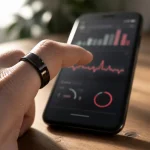
- How Smart Rings for Health Monitoring Operate
- Accuracy, Limitations & Real-World Usage Tips
- Common Myths About Wearable Health Tracking
- How Worldwell Improves Monitoring Precision
What Are Smart Wearable Devices for Health Monitoring
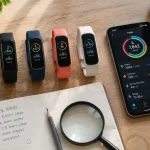
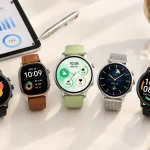
Smart wearable devices for health monitoring are portable electronic gadgets worn on the body that continuously track vital signs and wellness data. They include fitness tracker with heart rate monitor, smart watches with heart rate monitor, smart watches with blood pressure monitor, smart rings for health monitoring, and specialized bands designed for 24/7 health tracking.
These devices collect real‑time biometric data, analyze trends, and alert users to abnormal readings—helping with daily wellness, fitness, sleep, and chronic condition management. For both consumers and B2B buyers, understanding how they work is key to choosing reliable smart wearables for health monitoring.
Core Sensors & Technology Behind Health Tracking
All smart wearable devices for health monitoring rely on a small set of core sensors to turn physical signals into readable health data.
1. PPG Optical Sensor (Photoplethysmography)
- Emits green/infrared light into skin
- Measures blood volume changes with each heartbeat
- Used for: smart watch heart monitor, SpO2, blood flow trends
- Found in nearly all smart watch with heart rate monitor and fitness tracker and heart monitor models
2. ECG Bioelectrical Sensor
- Uses metal electrodes to detect heart’s electrical signals
- Generates ECG waveforms
- Helps identify arrhythmia and irregular heartbeat
- Common in premium smart watches that monitor blood pressure
3. Pulse Wave & Motion Sensors
- Accelerometer & gyroscope filter movement noise
- Pulse Wave Velocity (PWV) estimates blood pressure
- Enables smart watch blood pressure monitor functions without a cuff
4. Temperature & Skin Contact Sensors
- Improve stability by detecting proper fit
- Reduce false readings from loose wear or ambient light
Together, these components make smart wearables for health monitoring accurate enough for daily reference and long‑term trend tracking.
How Heart Rate Monitoring Works in Trackers & Watches
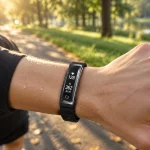
Nearly every fitness tracker with heart rate monitor and smart watch with heart rate monitor uses the same PPG‑based system.
Step-by-Step Working Principle
- Green LEDs shine light into wrist skin tissue
- Blood absorbs light differently with each heartbeat
- Photodiodes capture reflected light changes
- Onboard AI algorithms filter motion and ambient noise
- Device displays real-time BPM and heart rate trends
This method powers all standard heart rate monitor and fitness tracker features, including:
- 24-hour continuous heart rate tracking
- Resting heart rate analysis
- Exercise heart rate zones
- Abnormal heart rate alerts
According to NCBI research on PPG health monitoring, this technology can hit 98% accuracy for heart rate tracking when paired with proper anti-noise algorithms.
For best results, a fitness tracker with heart rate monitor or smart watch with heart rate monitor should fit snugly and use anti‑motion algorithm processing.
How Blood Pressure Monitoring Works on Smart Watches
Many users ask: How do smart watches with blood pressure monitor get readings without a traditional cuff?
How It Works (No Cuff, Pulse-Based)
- PPG sensors capture pulse wave shape and speed
- ECG or motion sensors synchronize heartbeat timing
- Algorithm calculates Pulse Wave Velocity (PWV)
- Device estimates systolic & diastolic pressure
- Regular calibration with a clinical cuff improves accuracy
Key Facts About Smart Watch Blood Pressure Monitor
- Provides trend reference, not clinical diagnosis
- Works best for daily tracking, not emergency use
- High‑end models support smart watches that monitor blood pressure more reliably
- Worldwell’s health watches use multi‑point calibration for stable results
Important: A smart watch with blood pressure monitor does NOT replace a medical device. It supports long‑term habit and lifestyle tracking.
How Smart Rings for Health Monitoring Operate
Smart rings for health monitoring are compact, all‑day wearables that use the same core health tech as watches and trackers—just miniaturized.
How They Track Health
- Tiny PPG sensors measure blood flow from the finger
- Low‑power design supports 3–7 days battery
- Track heart rate, HRV, sleep stages, respiratory rate
- Some advanced models add temperature and stress tracking
Why Choose a Smart Ring
- Discreet, comfortable for sleep tracking
- Lightweight for 24/7 wear
- Ideal complement to a fitness tracker with heart rate monitor
- Popular for users who prefer minimal wearables
Like other smart wearables for health monitoring, rings provide trend data to support wellness routines.
Accuracy, Limitations & Real-World Usage Tips
To get the most from smart wearable devices for health monitoring, you must understand real-world accuracy.
| Measurement | Typical Accuracy | Best Use Case | Limitation |
| Heart Rate | ±3–5 BPM | Daily tracking, exercise | Motion can affect readings |
| SpO2 | ±2% | Sleep, wellness, altitude | Low perfusion affects results |
| Blood Pressure | ±5–10 mmHg | Trend monitoring | Not for clinical diagnosis |
| Sleep Stages | 75–85% match | Sleep improvement | Not as accurate as lab PSG |
Best Practices for Reliable Readings
- Wear your tracker or watch snug but not tight
- Keep sensor area clean and dry
- Calibrate smart watches with blood pressure monitor monthly
- Avoid extreme temperatures during measurement
- Use official apps for best algorithm performance
These simple steps drastically improve consistency for all smart wearables for health monitoring.
Common Myths About Wearable Health Tracking
Let’s clear up confusion around smart wearable devices for health monitoring.
Myth 1: A smart watch blood pressure monitor is as good as a clinical device
Fact: Wearables show trends, not diagnoses. Always confirm with a doctor‑approved device.
Myth 2: More sensors mean better accuracy
Fact: Stable fit, quality algorithms, and calibration matter more than sensor count. Even basic fitness tracker and heart monitor models can deliver reliable daily readings if they use quality sensors.
Myth 3: Smart rings for health monitoring are less accurate than watches
Fact: When properly fitted, rings can be highly accurate—especially for sleep and resting metrics.
Myth 4: A smart watch heart monitor can detect all heart issues
Fact: It flags irregularities but cannot replace ECG or Holter monitors.
Understanding these myths helps you use smart wearables for health monitoring correctly and avoid unrealistic expectations.
How Worldwell Improves Monitoring Precision
At Worldwell Technology, we design smart wearable devices for health monitoring with real‑user accuracy in mind.
Our Engineering Advantages
- Multi‑sensor fusion for stable heart rate & blood pressure tracking
- Advanced motion cancellation for smart watch with blood pressure monitor
- Custom algorithms optimized for diverse skin types & activities
- Rigorous pre‑shipment testing for consistent performance
- CE, FCC, RoHS certified for global markets
Whether you need a fitness tracker with heart rate monitor, a smart watch blood pressure monitor, or slim smart rings for health monitoring, We also offer one-stop OEM/ODM service from product concept, design, to mass production.
Final Thoughts
Smart wearable devices for health monitoring use PPG, ECG, motion, and AI to turn light and electrical signals into actionable health data. From heart rate monitor and fitness tracker functions to smart rings for health monitoring and smart watches that monitor blood pressure, these devices empower users to track wellness every day.
By understanding how they work, you can choose better smart wearable devices for health monitoring, use them more accurately, and get the most from your health data.
Want More Expert Insights?
Learn how our smart wearables for health monitoring can support your brand or personal use:
✅ Get a full product spec sheet
✅ Ask our engineering team technical questions
✅ Receive a custom quote for OEM/ODM projects
Contact Us today to explore reliable, high‑performance smart wearable devices for health monitoring.